First Austin, now NYC: ISIS-inspired attacks test Homeland Security
03/10/2026 / By Willow Tohi

- Two teenagers inspired by ISIS were charged with attempting to detonate homemade bombs at protests outside New York City’s Gracie Mansion on March 7, 2026.
- The suspects, Emir Balat, 18, and Ibrahim Kayumi, 19, told investigators they aimed to carry out an attack “even bigger” than the Boston Marathon bombing.
- The incident follows a separate fatal shooting in Austin, Texas, by an attacker wearing “Property of Allah” and Iranian flag-themed clothing, raising terrorism concerns.
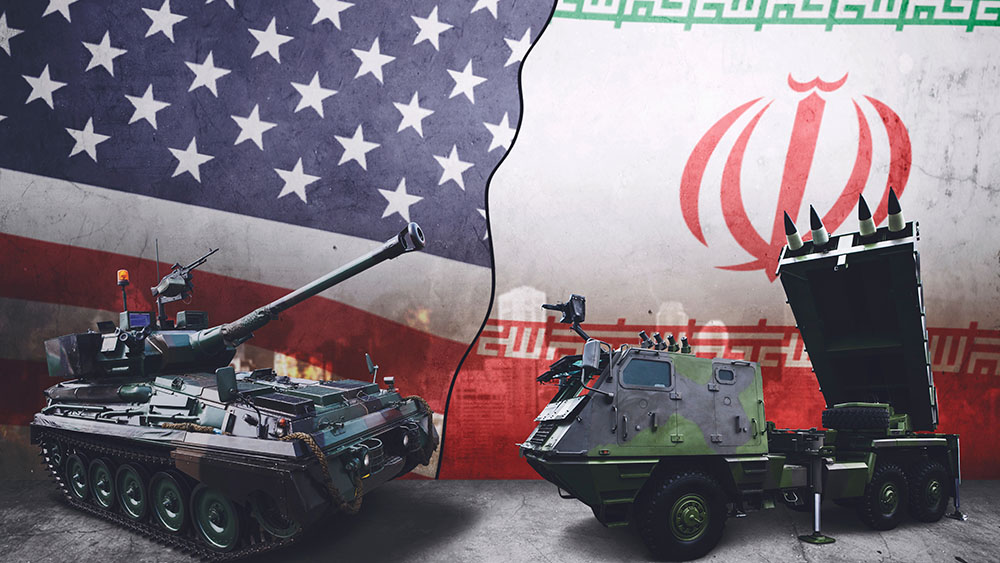
- Federal authorities warn of an elevated threat environment linked to the ongoing U.S. conflict with Iran, including intelligence about potential sleeper cell activation.
- The Department of Justice has charged the New York suspects with terrorism-related offenses, including attempting to provide material support to ISIS and using a weapon of mass destruction.
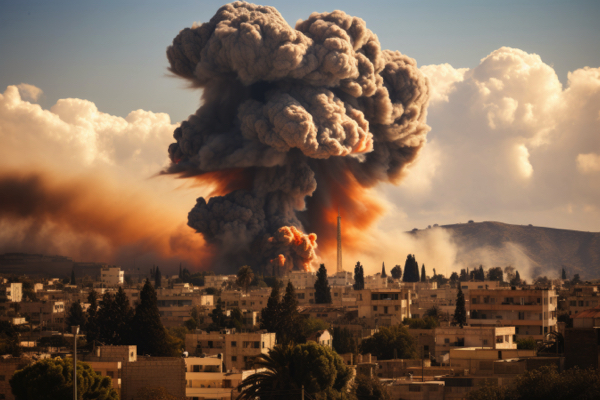
In a tense seven-day period that has heightened national security anxieties, the United States was rocked by two separate violent incidents bearing the hallmarks of terrorist ideology. From a deadly shooting in Texas to an attempted bombing in New York, federal authorities are grappling with a perceived elevated threat environment, intensified by a ongoing conflict with Iran. These events have triggered a swift law enforcement response and renewed a fraught debate about domestic radicalization and foreign influence.
The Gracie Mansion bomb plot
The most recent incident unfolded on March 7, outside New York City’s Gracie Mansion, the official mayor’s residence. During dueling protests, 18-year-old Emir Balat and 19-year-old Ibrahim Kayumi, both of Pennsylvania, allegedly attempted to detonate two improvised explosive devices (IEDs) in the crowd. According to a federal criminal complaint, the devices were packed with metal shrapnel and contained triacetone triperoxide (TATP), a highly volatile explosive nicknamed “Mother of Satan” and used in numerous global terrorist attacks.
After their arrests, both men allegedly declared allegiance to the Islamic State (ISIS). Balat reportedly wrote a note pledging allegiance to the group, while Kayumi answered “ISIS” when asked by a bystander why he committed the act. Prosecutors state that Balat told investigators they sought to execute an attack “even bigger” than the 2013 Boston Marathon bombing, which killed three people. They face multiple federal charges, including attempted provision of material support to a foreign terrorist organization and use of a weapon of mass destruction, carrying potential life sentences.
The Austin shooting and a potential terror nexus
The New York plot followed a March 1 attack in Austin, Texas, where 53-year-old Ndiaga Diagne shot and killed three people before being killed by police. Diagne, a Senegalese-born U.S. citizen, was seen wearing a “Property of Allah” hoodie with an Iranian flag-themed shirt underneath. The FBI’s San Antonio field office stated it was investigating the shooting as “a potential matter of terrorism,” noting indicators of a “potential nexus to terrorism,” though officials cautioned that attributing a definitive motive was premature.
While no direct link has been established between the Austin and New York attacks, their proximity has amplified concerns. The incidents occurred against the backdrop of U.S. military strikes in Iran, a context that counterterrorism experts have long warned could inspire retaliatory violence on American soil.
An elevated threat environment and intelligence concerns
Law enforcement officials have publicly acknowledged a heightened state of alert. NYPD Commissioner Jessica Tisch stated the city has been in a “heightened state of alert since the start of hostilities in Iran.” This concern is underscored by intelligence reporting. According to multiple news outlets, U.S. agencies have intercepted encrypted communications, potentially of Iranian origin, that may serve as an “operational trigger” for sleeper assets abroad. These transmissions, broadcast via shortwave radio numbers stations—a classic espionage tool—have raised alarms about the potential activation of covert networks.
Historically, geopolitical conflicts in the Middle East have correlated with increased threat levels domestically. The Department of Homeland Security issued a similar National Terrorism Advisory System bulletin in June 2025 during prior Israel-Iran tensions, warning of potential cyberattacks, violence and hate crimes. The current situation echoes past patterns where foreign conflicts have served as a catalyst for homegrown violent extremists.
Vigilance and the challenge of ideologically motivated violence
The twin attacks in Texas and New York represent a stark test for U.S. homeland security frameworks. They highlight the persistent threat posed by individuals radicalized by foreign terrorist propaganda, a threat that can be exacerbated by international conflict. As federal prosecutors move to hold the alleged Gracie Mansion plotters accountable, the broader investigation continues, with authorities examining the suspects’ travel histories and potential international connections. For a nation already navigating deep political and social divisions, these events serve as a sobering reminder of the complex and evolving nature of modern terrorism, where global tensions can manifest as violence on Main Street. The coming weeks will likely see intensified security measures and a continued focus on disrupting any plots before they come to fruition.
Sources for this article include:
Submit a correction >>
Tagged Under:
anarchy, big government, bombing, chaos, Dangerous, domestic terrorism, geopolitics, gun violence, insanity, invasion usa, migrants, national security, New York, panic, radical ideology, shootings, terrorism, Texas, threat environment, violence
This article may contain statements that reflect the opinion of the author
RECENT NEWS & ARTICLES